Frédéric Keck CNRS Research Director, Research Lecturers
  • Anthropology
  • Zoonoses
  • Museums
  • fr
  • en

Anthropology

Anthropology is a science that compares human societies to identify common forms. I studied the history of this science in France through the writings of its founders: Auguste Comte, Lucien Lévy-Bruhl, Émile Durkheim, Henri Bergson, and Claude Lévi-Strauss. I reflected on how the French Revolution, the Dreyfus Affair, and the Holocaust transformed the figures of the “primitive” and the “savage.” I showed that they allowed us to think about the different ways societies prepare for disasters. My work extends this genealogy by reminding us that it was critical of colonization and remains relevant in a postcolonial world.
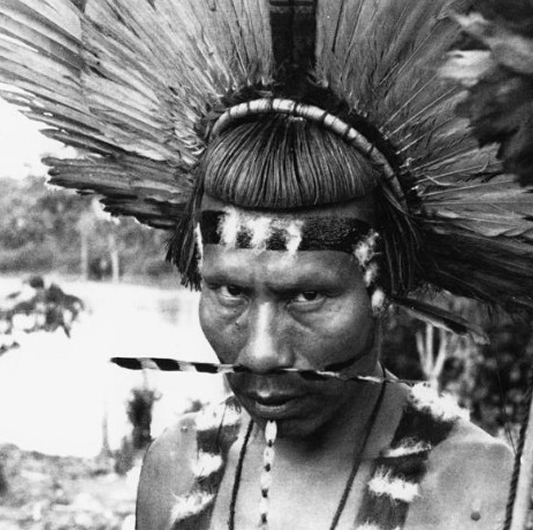
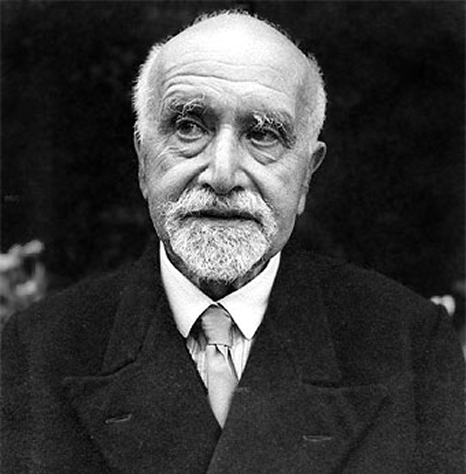
Lucien Lévy-Bruhl

Lucien Lévy-Bruhl published works on German and French philosophers (particularly Auguste Comte) and on “primitive mentality.” He occupied an intermediate position between Émile Durkheim and Henri Bergson, between the analysis of collective representations and the synthesis of perceptions of living beings, through his concept of participation. This concept captures a mode of causality that introduces the supernatural into nature at the occasion of ordinary accidents. I have showed that this concept addressed the problems posed by preparing for unpredictible events after the Dreyfus Affair in France.

→

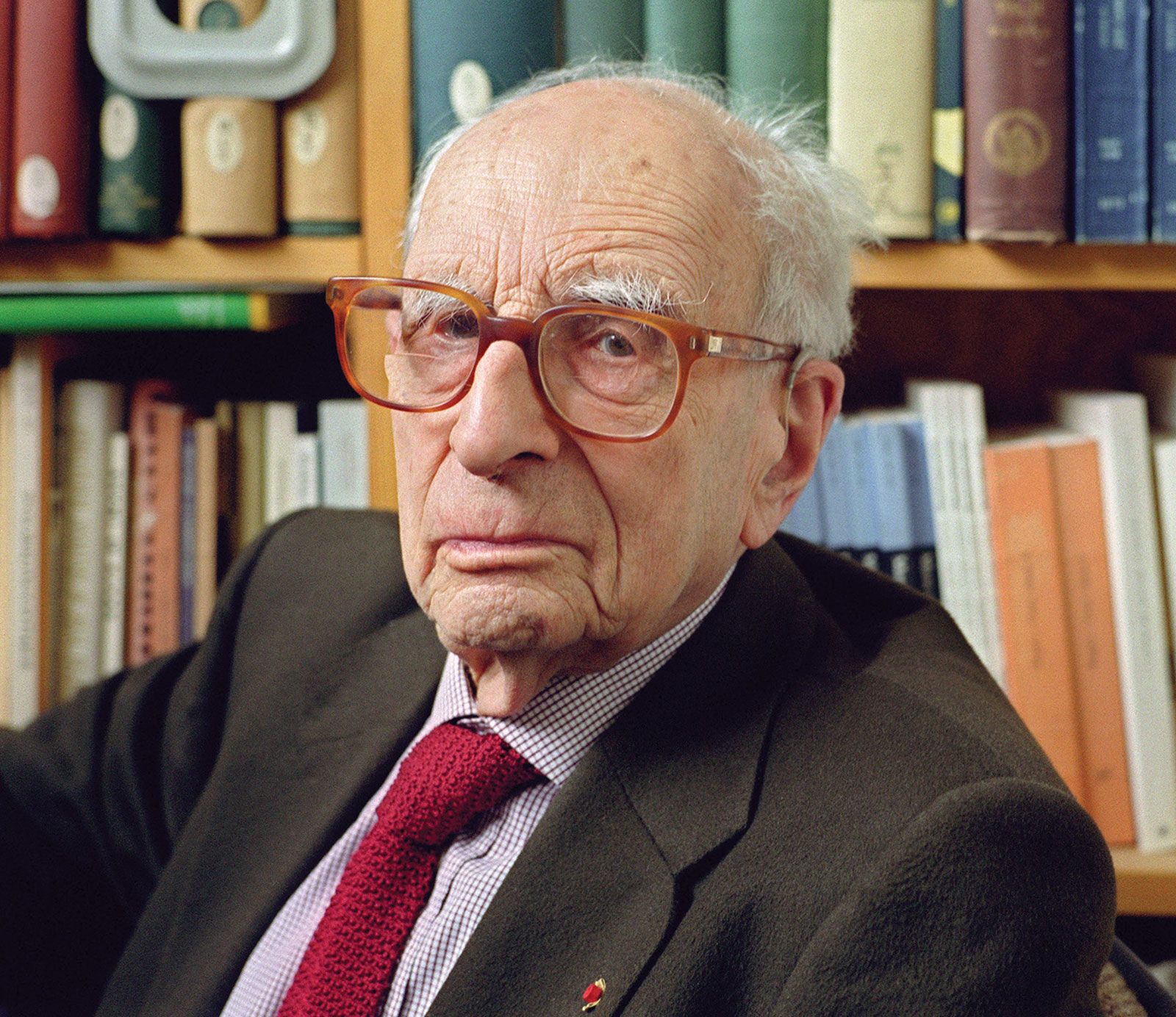
Claude Lévi-Strauss

Claude Lévi-Strauss refounded anthropology in France after the Second World War on the concept of a structural unconscious in which different societies draw to construct their rules. Between his analyses of kinship systems and mythological transformations, his masterpiece, La pensée sauvage, proposed in 1962 a renewed conception of history within the context of the decolonization of the French empire. Aware of the ecological crisis to which colonized societies were exposed, he showed that each society shapes its organization according to the relationships between humans and surrounding beings.

→

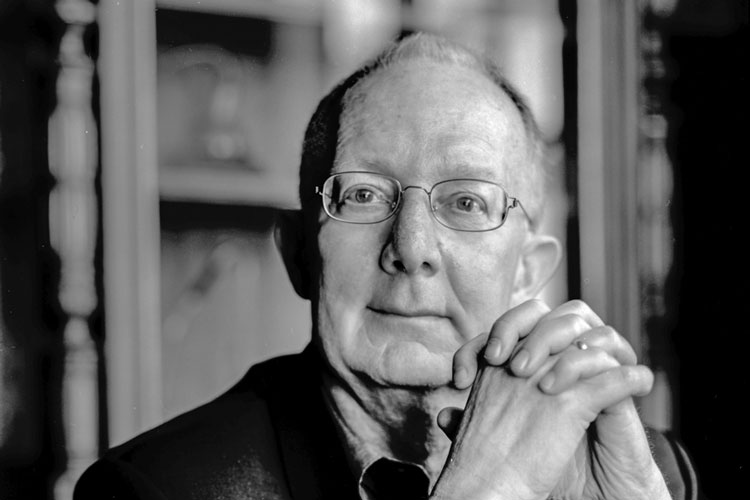
Paul Rabinow

Paul Rabinow introduced into American cultural anthropology Michel Foucault’s work on the genealogy of social norms and the emergence of biopolitics. He then applied this method to the new forms of biotechnologies that appeared in California in the 1980s and spread to the rest of the world through various political mechanisms. In the 2000s, he examined the norms of biosecurity governing the dissemination of biotechnologies, particularly the injunction to prepare for future disasters.

→

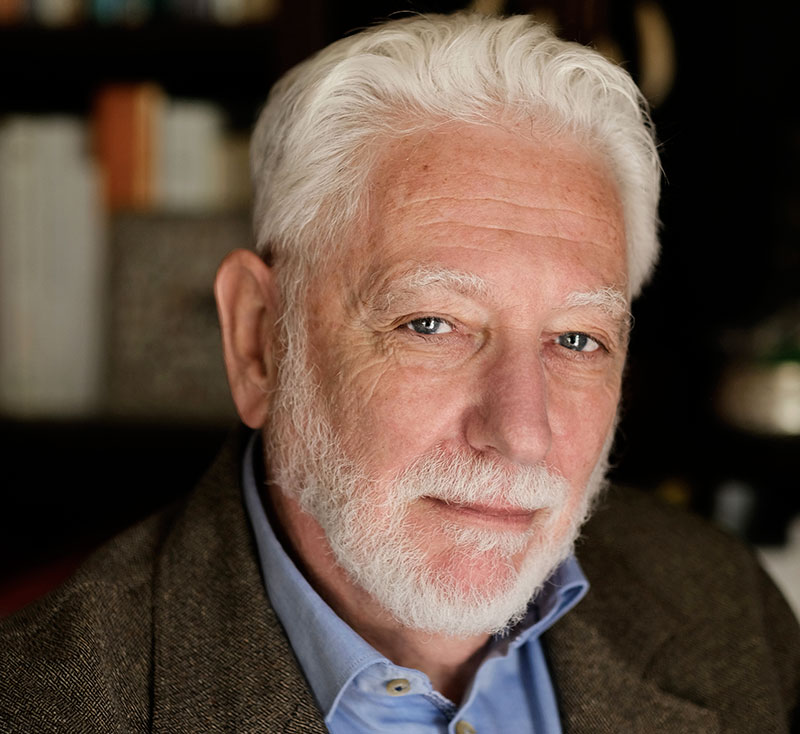
Philippe Descola

Philippe Descola has renewed Claude Lévi-Strauss’s analyses of the relationship between humans and non-humans by drawing on the works of Bruno Latour on the politics of nature and Luc Boltanski on the justification of social conduct. He has relied on the reflection of Eduardo Viveiros de Castro to demonstrate that Amazonian ontologies radically overturn the principles of European ontologies. His fourfold division of ontologies—animism, totemism, analogism, and naturalism—provides a framework for understanding the conflicts and the alliances that arise from the global ecological crisis.

→

Contact

Laboratoire d’Anthropologie Sociale
52 rue Cardinal Lemoine
75005 Paris

Contact: frederic.keck@cnrs.fr

CV and publications list

Read the document

Je contribue régulièrement aux revues en ligne :

  • AOC (Analyse Opinion Critique)
  • Les temps qui restent
  • La vie des idées
  • Terrestres. La revue des écologies radicales
  • The Conversation

institutional support

  • legal notices
  • Credits
Copyright © 2025 Frédéric Keck